|
|

|

|

|

|

|

|
 |

John Hutchison & Ronnie Milione The Philadelphia Experiment Revisited! Coming Late Summer of 2006
Let's talk about RADAR
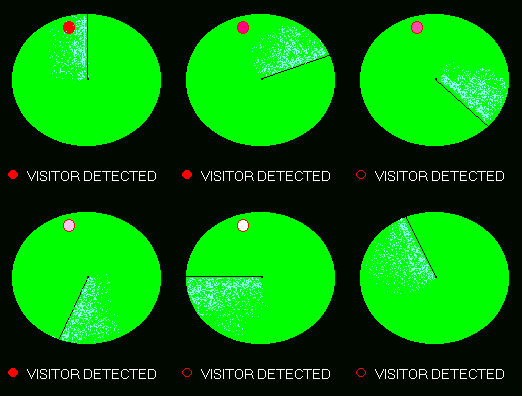
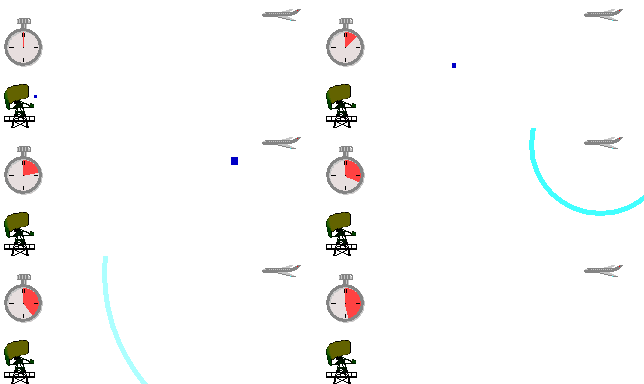
Radar uses electromagnetic energy pulses in much the same way, as shown in figure 1. The radio-frequency (rf) energy is transmitted to and reflects from the reflecting object. A small portion of the energy is reflected and returns to the radar set. This returned energy is called an ECHO, just as it is in sound terminology. Radar sets use the echo to determine the direction and distance of the reflecting object. Radar is an acronym for Radio (Aim) Detecting And Ranging |
| John Hutchison's miniature Philadelphia Experiment July 2006 |
 |
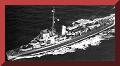
The Philadelphia Experiment to be Revisited by Ronnie Milione and John Hutchison |
|
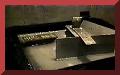
| John Hutchison's miniature pretest of the equipment. |
|
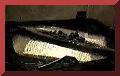
This is a clip of the standing waves John created in the water. |
|

|
|
|